ABOUT ME
It began with
a feeling.
A fascination with how a room can change the way you feel. And a passion that grew, one space at a time.
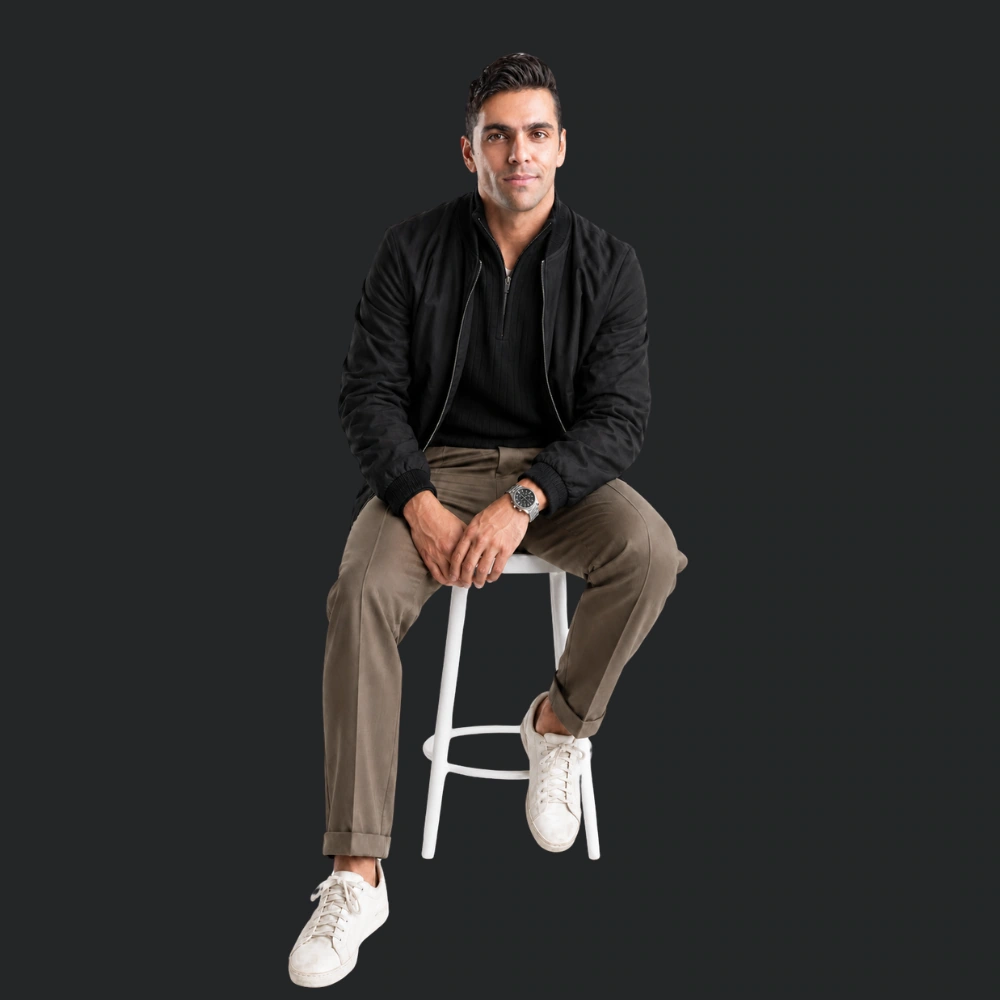
I’m Faz. My love for interior design and decorating spaces has developed over many years of trying things, getting them wrong, rethinking them and trying again.
That trial and error is part of what I love about design. You learn to notice why something feels balanced, why a colour isn’t quite right, or why a room can look beautiful and still feel unsettled.
A PASSION, GROWN OVER TIME
Always curious.
Always looking closer.
What began as a love of decorating became a deeper interest in design philosophy: why certain spaces draw us in, how a room finds its balance, and what makes a home feel personal.
I return to these six ideas when I’m working through a room. Each helps me test an instinct against the way the space will actually be used.
COMFORT & PERCEPTION
Openness, with a place to retreat.
I’m interested in the balance between seeing out and feeling comfortably settled. A chair turned towards daylight, a sheltered reading corner, or a little privacy within an open room can give a space a very different character. I start by considering where you would naturally want to sit, what you would see from there, and whether the surroundings feel restful or full of competing demands.
PROPORTION & NEGATIVE SPACE
The relationship between things.
I look at furniture as part of a composition. A rug can gather a seating area together; artwork can give a wall a clear focus; full-height curtains can balance lower furniture. Just as important is the space left between those elements. I’m drawn to arrangements with a sense of rhythm, where different heights and shapes create interest and the eye still has somewhere to rest.
LAYERED LIGHT
A room has more than one mood.
A space that feels beautiful in daylight deserves just as much thought after dark. I consider light in layers: general illumination, focused light for reading or working, and softer accents that reveal a surface or an object. Diffusion, glare, colour temperature and the ability to dim each layer all matter. The intention is to let a room adapt as your day changes.
COLOUR & MATERIAL INTEGRITY
Quiet doesn’t have to mean flat.
A restrained palette becomes interesting through the differences within it: woven linen beside smooth stone, the grain of timber against a painted wall, a darker accent within softer tones. I like to consider samples together and in the light they will actually live in. Undertones, texture and finish should feel connected, while each material keeps its own character and earns its place.
COHESION & PERSONALITY
Collected over time. Connected by intention.
I love homes that leave room for a person’s history. A familiar chair, meaningful art or an inexpensive object can be the starting point for a whole room. Repeating a colour, material or shape can connect pieces without everything matching. I’m interested in that conversation between old and new, and in working with a home’s existing architecture so it develops its own identity.
BEAUTY & EVERYDAY USE
Design for the life between photographs.
A chair needs to feel good through a long dinner. A layout needs space to move, and storage needs to make the everyday easier. I want to understand how a fabric wears, how a surface is cleaned and what a choice asks of the person living with it. That also means considering what to keep, adapt or add, with priorities that respect your routines and budget.
For practical exercises, explore Understanding Design. For a closer look at individual questions and real spaces, read Design Insights.
A PERSONAL PREFERENCE
Home, after dark.
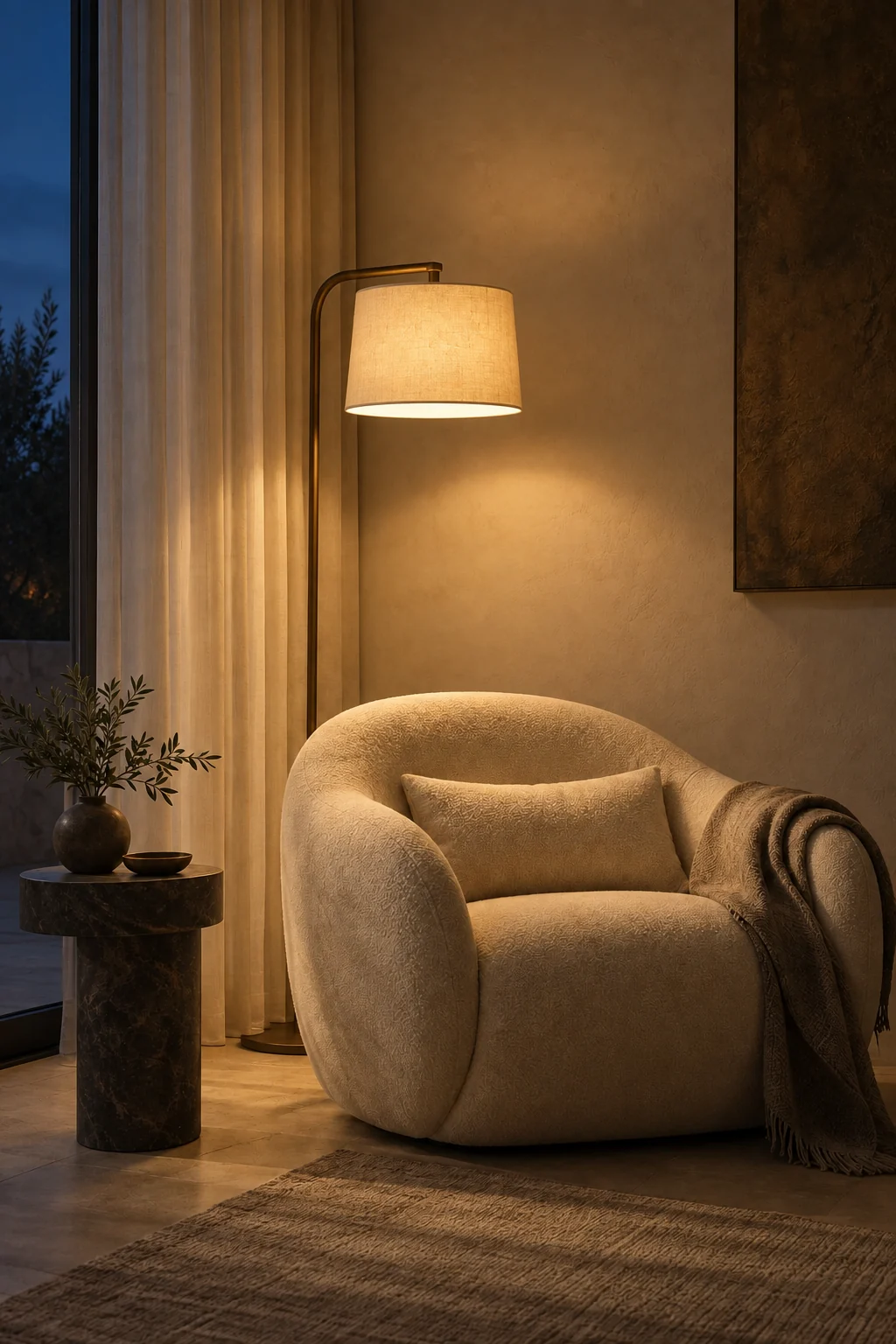
I’m especially drawn to the way a home feels in the evening. A lamp beside a chair, a pool of light across a wall, a quieter corner. I love photographing those moments, when the room takes on another character.
That interest runs through the downstairs living and entrance project: light at different heights, places to pause, and warmth that connects one space to the next.
See The Downstairs Transformation“Before I think about how a room should look, I think about how it should feel.”Faz