A HOME OVER TIME
What to keep before you buy.
A new direction does not always need a new beginning. The things you already own can give a room its character, its constraints and its most interesting possibilities.
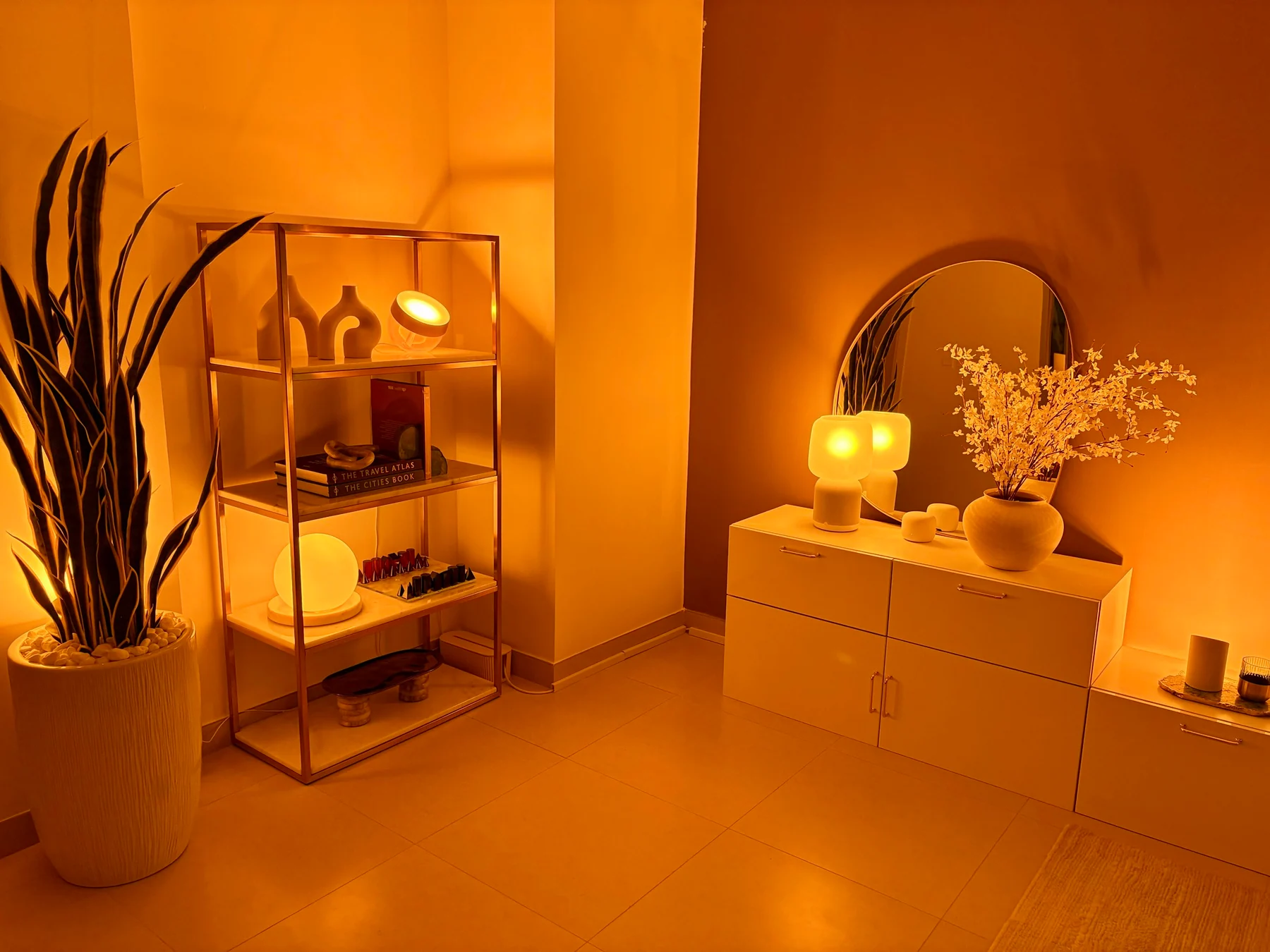
Look at a piece on its own terms.
Before deciding that something no longer belongs, ask what is bothering you about it. Is the seat uncomfortable, the scale wrong, or the colour simply difficult beside its neighbour? Those are different problems. Moving a chair can change a layout; changing what surrounds it can change how its colour reads.
Start with three loose groups: useful and loved, useful but unresolved, and no longer useful to you. These are prompts for attention, not instructions to discard. A piece with a personal history may deserve a more deliberate place even if it does not fit an image of the room you first had in mind.
Find the relationship, not the match.
Rooms can hold different periods, shapes and materials when there is something connecting them. A dark line in a picture frame might speak to the legs of a chair. A warm timber can sit beside a cooler fabric when another element mediates between them. Exact matches are only one possible kind of relationship.
Choose a small number of connections and repeat them with variation. If every material, finish and form asks for attention at once, the room can feel unsettled. A quieter surrounding palette may give an expressive existing piece the space it needs.
Try the low-commitment changes first.
Move furniture before ordering furniture. Restyle a surface with fewer things before buying accessories for it. Bring a lamp from another room to test whether the missing quality is light rather than decoration. These experiments help identify the actual gap.
A change in function can also reveal potential: a small table may work better beside a bed than beside a sofa, or a cabinet may solve a problem at the entrance. Check dimensions and usefulness rather than allowing an object’s original label to make the decision.
Buy for the gap you can explain.
When a purchase becomes necessary, write one sentence describing what it must do. A rug might need to connect the seating, a lamp to support evening reading, or a cabinet to put daily clutter out of sight. Add the practical constraints: size, upkeep, comfort and the amount you want to spend.
That brief makes it easier to recognise an appealing object that is wrong for the job. It also leaves room to wait. A home can feel considered while still developing; every corner does not have to reach a finished state on the same day.
SOMETHING TO TRY AT HOME
- Identify one piece you love and one you find difficult.
- Try changing the difficult piece’s position or neighbours.
- Write down the job any new purchase needs to do.
Talk about your space.
Bring it to a conversation. We can start with what isn’t working, or the feeling you want more of.
Start Your ProjectRelated insights
All Design Insights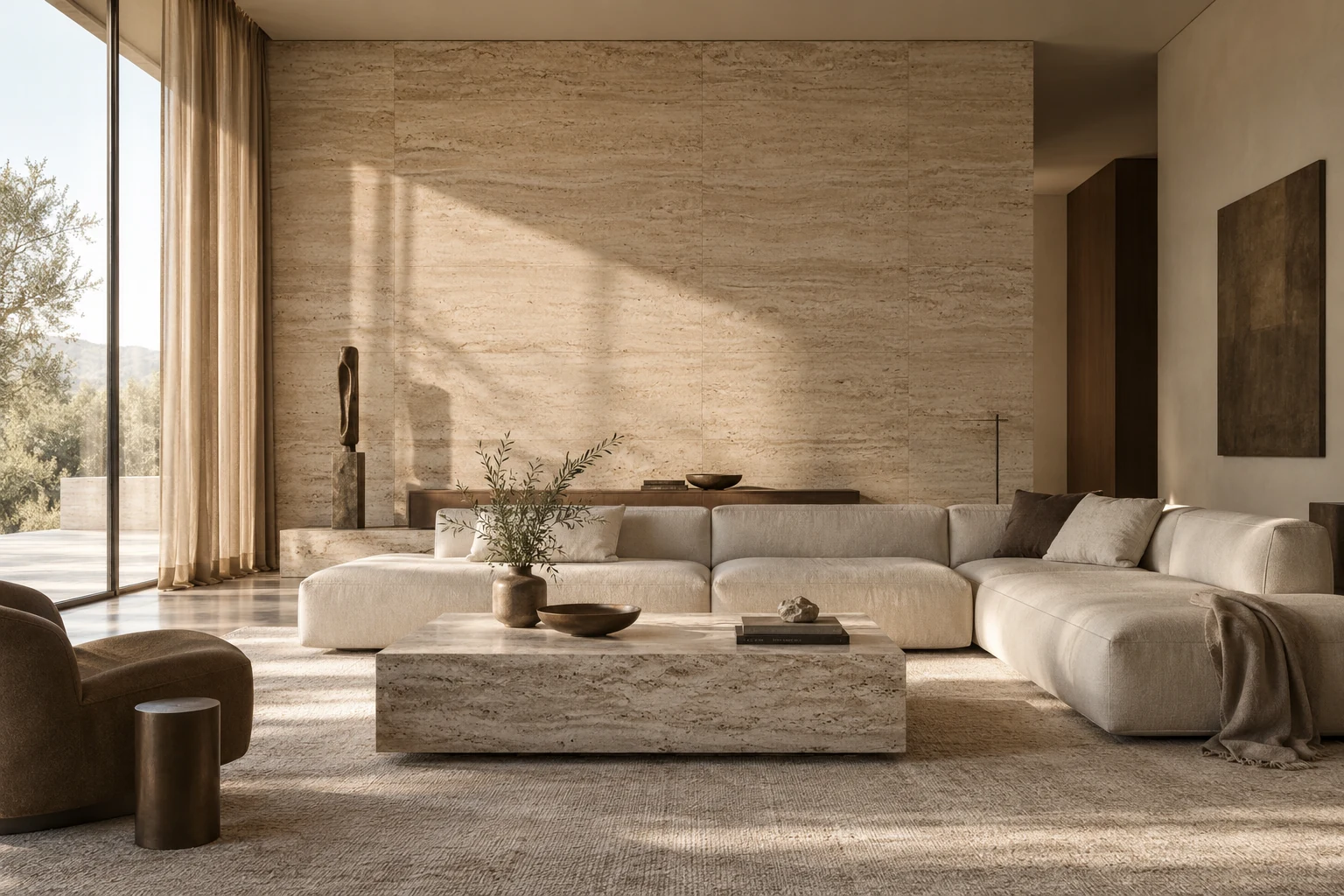
Why a neutral room can feel unfinished.
A quiet palette is a beginning, not a complete atmosphere. A room made of similar colours still needs relationships, variation and somewhere for the eye to rest.
Read The Insight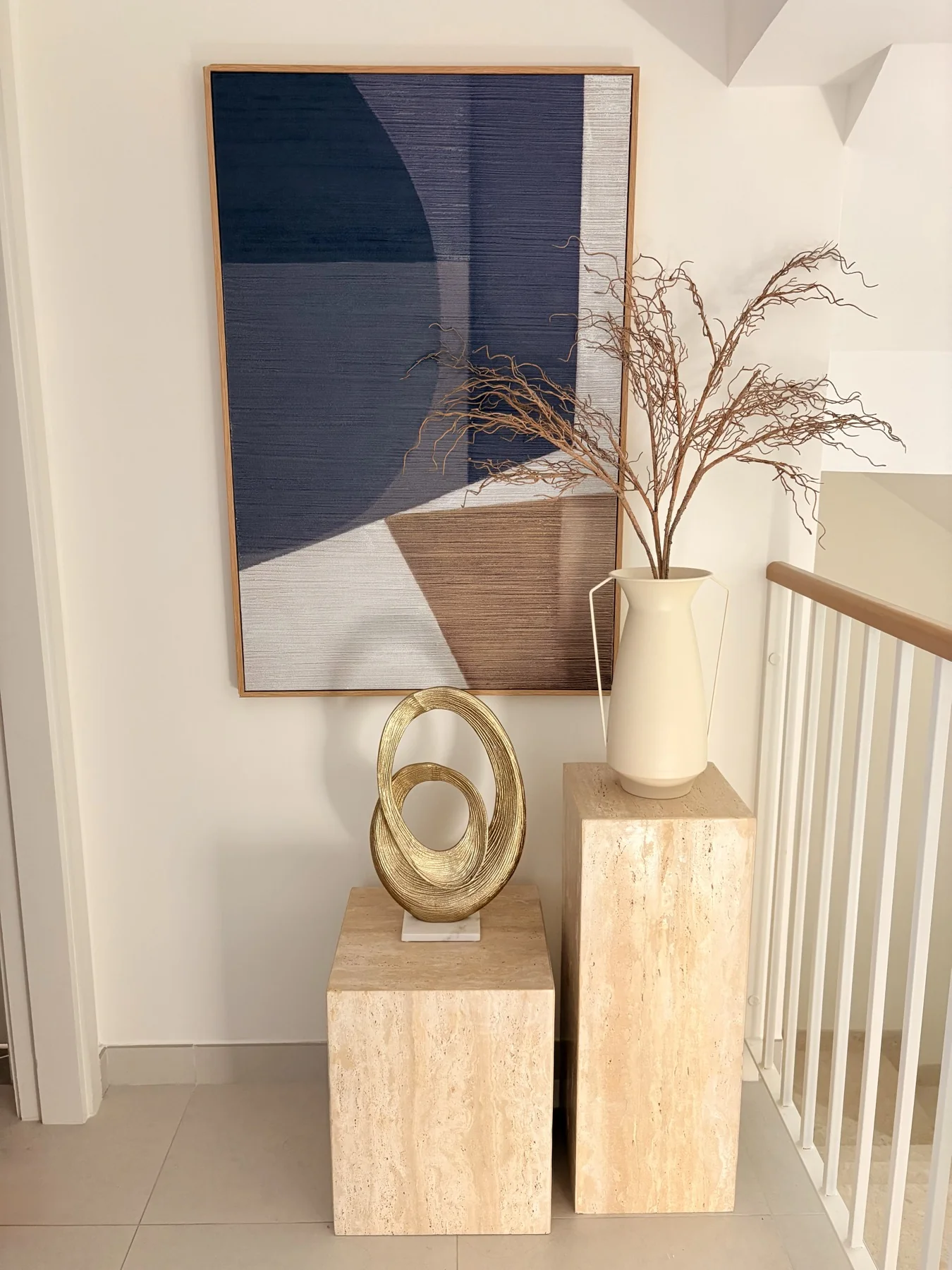
The Materials That Connect A Home.
A home feels connected when familiar details reappear as you move through it. A stone, a warm metal, a thread of colour: small repetitions can give very different spaces a sense of belonging.
Read The Insight